Kus is one of the strangest monsters in the Lethal Ape menagerie, and the Lethal Ape Kus story pulls together radioactive barrels, a goo-covered sibling, a 2022 nightmare event, and a string of community theories that hint at parallel universes. Players digging into the broader Lethal Ape lore usually hit Kus as the connective tissue between two monster families that should not fit together, and that friction is exactly what makes his tale worth tracing. This guide walks through every confirmed detail, every widely-cited fan theory, and the gaps where readers still argue.
Where Kus First Appears in the Lethal Ape Roster
Kus joined the Roblox version of Lethal Ape as a late-era addition that was not in the original VR prototype. According to the community theory archive, Kus is treated as part of the goo-adjacent monster family rather than the original VR trio, even though the wiki itself flags these origins as "may be right or wrong." That caveat matters, because the Kus origin is one of the most heavily re-interpreted entries in the wider Lethal Ape lore.
Kus in the 8th Generation Roster Shake-Up
The 8th generation update was the most disruptive roster change in the Roblox branch. According to the wiki's 8th generation article, all remaining monsters were redesigned at the same time, and Gooba, Kus, and Bloodman were cut outright before Kus returned on May 28-29 of the same year. That cut-and-return cycle is the closest thing the franchise has to a canon event for Kus, because it forced the community to decide whether Kus was part of the active roster or a leftover prototype.
How Kus Fits the 55-Monster Catalog
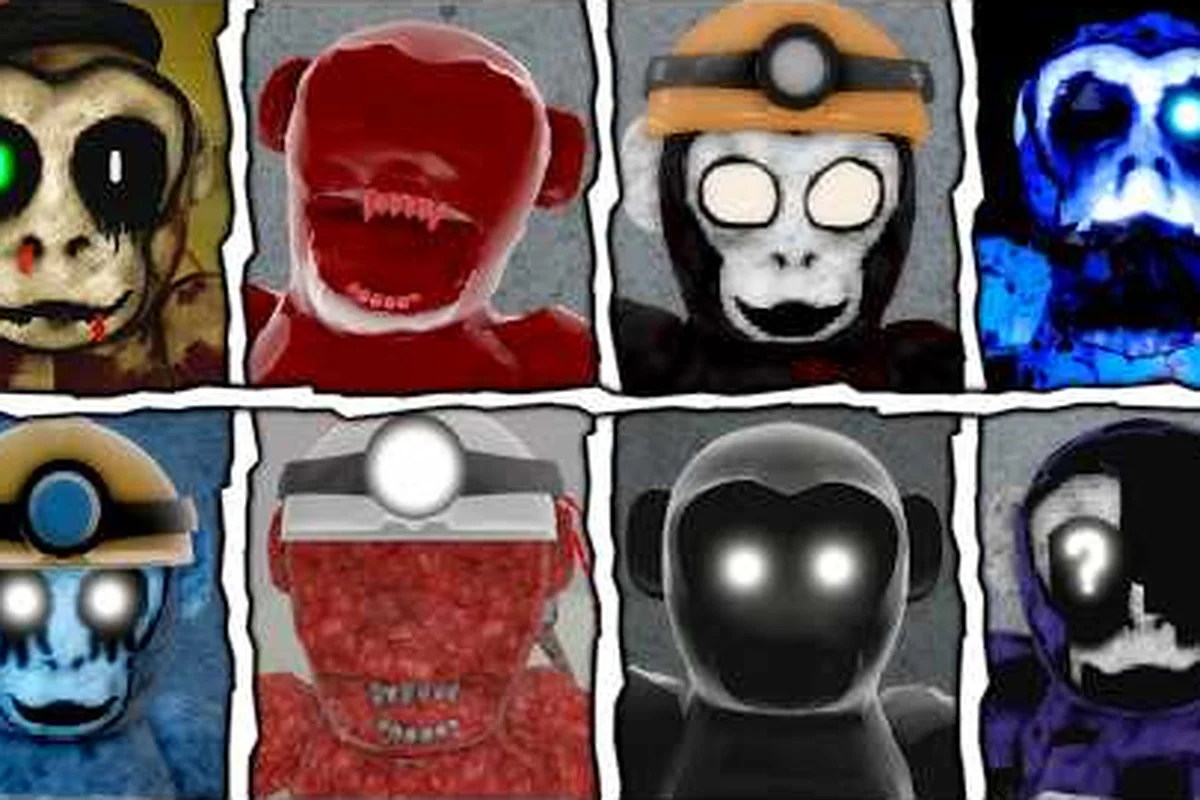
The wiki's monster category currently lists around 55 total entries, including Sandman, Ashy, Dus, Gus, Kus, Lost, Scar, Gooba, Fearful, Flesher, Fluddy, Fred, GLI.TCH., Bloody Ashy, Horror Sandman, and Horror Gus. Kus sits in the middle of that list, between the original VR-era mascots and the late-generation oddities like GLI.TCH. and Fearful. The placement is symbolic: Kus is treated as a bridge monster, not a flagship, which is why his story is so often told as a footnote rather than a headline.
| Roster Group | Key Members | Kus Relationship |
|---|---|---|
| VR Original Trio | Sandman, Ashy, Dus | No direct link; pre-Kus |
| Goo Family | Gooba, Bloodman, Kus | Shared nuclear/chemical origin |
| Late-Gen Oddities | Fearful, GLI.TCH., Flesher | Thematic echoes, not family |
| Event Variants | Horror Sandman, Horror Gus | Limited-time, no Kus variant |
The Radioactive Barrel Origin of Kus
The most widely circulated Kus origin claim is that he fell into a stack of radioactive nuclear waste barrels before the events of the game. The community theories page frames this as a fan reconstruction, not a developer-confirmed backstory, but it is the version that shows up in nearly every Kus explainer video because the visual design supports it. Kus carries a sickly, washed-out palette that reads as chemically burned rather than naturally pigmented, and the goo texture on his model behaves more like irradiated slime than ordinary fur.
Why the Barrel Theory Fits Kus's Visual Design
Three design details keep the radioactive barrel origin alive even when players are skeptical. First, Kus's color palette is closer to chemical burn yellow-green than the grey-white palette of his supposed brother Dus. Second, his silhouette is softer and less defined than Dus's, which players read as melted or partially dissolved rather than drawn from scratch. Third, his chase behavior is unusually passive compared to Dus and Gus, which lines up with the idea of a creature that is more toxin-damaged than predatory.
How the Barrel Theory Connects to Gooba
The radioactive barrel origin is the cleanest way to connect Kus to Gooba, who is the other chemical-incident monster in the roster. According to the same community theories page, another monster was "rebuilt after an evil scientist threw goo in his face," and that goo incident is the read fans have settled on for Gooba. If Kus came from nuclear waste and Gooba came from a goo attack, both monsters are products of lab accidents rather than natural creatures, which is the single most important framing device in the Lethal Ape Gooba story too.
| Incident | Monster | Resulting Traits | Lore Source |
|---|---|---|---|
| Nuclear waste barrels | Kus | Burned palette, passive chase | Community wiki (unverified) |
| Goo thrown by scientist | Gooba | Goo-textured model, aggressive | Community wiki (unverified) |
| Unknown | Bloodman | Late-gen, cut in 8th gen | Community wiki (unverified) |
| Lab prototype | Dus | Faceless, stealth-based | Community wiki + game data |
Why the Barrel Theory Is Still Officially Unconfirmed
The wiki explicitly tells readers that community theories "may be right or wrong," and that warning is the closest thing the franchise has to a developer disclaimer. There is no in-game codex, no developer livestream transcript, and no Steam store description that confirms the barrel origin. Treat it as the dominant fan reading rather than canon, and keep the Lethal Ape Kus story framed as community lore with a few confirmed roster facts underneath.
Kus, Gooba, and the Lethal Ape Gooba Story Overlap
Kus and Gooba are routinely discussed together because their origins rhyme. Both are presented as victims of lab experiments, both ended up in the Roblox branch rather than the VR original, and both were swept up in the 8th generation cut. The Lethal Ape Gooba story usually starts from the goo-in-the-face incident and then doubles back to ask why a second monster with a similar chemical-burn identity exists at all, which is where Kus becomes the answer.
What the Gooba Story Adds to Kus
Gooba is treated as the prototype for the chemical-incident monster template, and Kus is read as either a sibling outcome or a parallel version of the same experiment. That framing is what lets players connect Kus's barrel story to Gooba's goo story without forcing a direct sibling relationship. If a lab had a barrel of nuclear waste and a vat of experimental goo, it is plausible that two different subjects got two different accidents, and the Lethal Ape lore community has settled on that as the cleanest reading.
Why Gooba Was Cut Before Kus Returned
According to the 8th generation article, Gooba and Bloodman did not return with Kus when the May 28-29 patch brought him back. That staggered return is a useful piece of evidence for the parallel-universes theory, because it suggests the developers are willing to swap these chemical-incident monsters in and out independently. If Kus and Gooba were simple siblings, the most natural move would have been to bring them both back at once; the fact that only Kus returned is one of the strongest hints that the franchise treats them as parallel versions of the same idea rather than two halves of one story.
The Real Nightmare Event and the Easter Connection
The Real Nightmare is the annual horror event that sits at the center of the Lethal Ape Kus story, and the Lethal Ape Easter event is the seasonal event that fans use to explain why Kus surfaces when he does. The two events are not the same thing, but they overlap enough that players routinely conflate them, and disentangling them is the first step toward understanding Kus's role in the wider event calendar.
What the Real Nightmare Event Actually Adds
The Real Nightmare event runs as a limited-time gamemode with a darker Lab skin, stripped-back audio, and a stripped-back monster roster. The event is most associated with Horror Sandman and Horror Gus, but Kus has been folded into event rotations when the dev team wants to feature a less-mainline monster. The presence of Kus in a horror event is one reason the radioactive barrel origin keeps getting cited, because the event framing is "what if a lab accident went really wrong," which is exactly the barrel story.
Why the Easter Event Matters to the Kus Timeline
The Lethal Ape Easter event is the seasonal window when cosmetic reskins and limited badges typically drop, and Kus has historically been one of the more common reskin candidates. The Easter connection matters because it gives the Lethal Ape Kus story a recurring calendar anchor. Players who want to see Kus in any official capacity have learned to log in during Easter or Halloween, which is also when the parallel-universe clues tend to surface as themed decorations.
| Event | Typical Kus Role | Lore Implication |
|---|---|---|
| Real Nightmare | Optional horror gamemode | Barrel accident "gone wrong" |
| Easter Event | Cosmetic reskin window | Seasonal monster rotation |
| Halloween | Limited-time chase | Chemical-incident parallel |
| Standard Lab | Background monster | Cut in 8th gen, returned May 28-29 |
How to Tell the Two Events Apart
The cleanest distinction is that the Real Nightmare is a gamemode and the Easter event is a seasonal cosmetic pass. The Lethal Ape the real nightmare framing is "a darker version of the Lab where the monsters won," while the Lethal Ape Easter event framing is "the Lab gets a spring coat of paint and a few holiday-themed rewards." Kus shows up in both, but the implications are different: a Real Nightmare appearance is a lore beat, while an Easter appearance is usually a cosmetic beat.
Parallel Universes and the Lethal Ape Lore Bridge
The Lethal Ape parallel universes theory is the most ambitious fan reading of the Kus story, and it pulls together the radioactive barrel origin, the Gooba goo incident, and the 8th generation roster churn into a single framework. The theory is that the Lab exists in multiple realities, and each reality produced a slightly different set of chemical-incident monsters, which is why Kus and Gooba look alike but behave differently, and why the 8th generation could cut one and bring the other back.
What the Parallel Universes Theory Actually Claims
The core claim is simple: the Lethal Ape Lab is not a single location, it is a hub that connects several parallel labs, and the monsters you encounter depend on which lab you walked into. Under that reading, Kus is a parallel-universe version of Gooba, Dus is a parallel-universe version of Lost, and Horror Sandman is a parallel-universe version of the base Sandman. The theory is not developer-confirmed, but it is the only reading that explains why monsters with very similar visual identities have slightly different chase behaviors.
How the 8th Generation Cut Supports the Theory
The strongest piece of evidence for parallel universes is the 8th generation roster churn. If the Lab were a single fixed location, there would be no reason to cut Gooba, Kus, and Bloodman at the same time and then bring Kus back alone. Under a parallel-universe reading, the 8th generation update is a soft "universe reset" that lets the developers swap which version of the Lab players are walking into. That is also why the Dus monster profile gets cited so often in Kus discussions: Dus is the canonical "faceless stalker" monster, and Kus is read as his parallel-universe chemical-incident counterpart.
What the Theory Gets Wrong
The theory overreaches when it tries to explain every roster churn as a universe swap. The franchise has also added purely cosmetic variants, balance changes, and outright new monsters that do not need a parallel-universe explanation. The honest read is that parallel universes is one of several layers of Lethal Ape lore, not the whole framework. Treat it as a useful lens for the Kus-Gooba pair, and as a less useful lens for monsters like Flesher or GLI.TCH., which the parallel-universe framework does not explain cleanly.
The Lethal Ape Lore Map and Where Kus Sits in It
Kus is a small monster in roster terms, but he sits at a useful junction in the Lethal Ape lore map. He connects the chemical-incident monsters to the parallel-universe theory, the 8th generation roster churn, and the seasonal event calendar. Pulling those threads into a single map is the easiest way to see why a Kus explainer keeps needing to mention Gooba, the Real Nightmare, and the Easter event all at once.
The Chemical-Incident Branch
The chemical-incident branch includes Kus, Gooba, and Bloodman, and the Lethal Ape story explained guide treats this branch as the most heavily theorized part of the franchise. The shared origin is "lab accident," but the specific accidents are different: barrels for Kus, goo for Gooba, and an unspecified incident for Bloodman. That branching is exactly what makes the chemical-incident family useful for the parallel-universe theory, because each monster can be read as a different universe's answer to the same question.
The Lab Prototype Branch
The Lab prototype branch includes Dus, Gus, and Sandman, with Dus and Gus treated as brothers and Sandman as the mascot. Kus is read as a chemical-incident echo of Dus in particular, because both monsters are faceless or near-faceless and both rely on audio cues over visual identity. The Dus lore article is the canonical reference for the audio-driven stalker archetype, and the Lethal Ape Kus story usually borrows from that archetype to explain why Kus is harder to track by sight than by sound.
The Event Branch
The event branch includes Horror Sandman, Horror Gus, and the seasonal reskins that show up during the Real Nightmare and Easter events. Kus does not have a dedicated horror variant, but he is occasionally reskinned for event rotations, which is why the Lethal Ape Easter event and the Lethal Ape the real nightmare discussion both keep pulling Kus back in. If you want to see Kus in any official capacity, the event calendar is the most reliable place to look.
| Lore Branch | Key Monsters | Kus Connection |
|---|---|---|
| Chemical-Incident | Kus, Gooba, Bloodman | Direct family member |
| Lab Prototype | Dus, Gus, Sandman | Audio-driven echo of Dus |
| Event Variant | Horror Sandman, Horror Gus | Reskinned during events |
| Late-Gen Oddity | Fearful, GLI.TCH., Flesher | Thematic echo only |
Why the Lethal Ape Kus Story Keeps Growing
The Kus story keeps growing because every roster update gives the community a new piece of evidence to fold into the existing theories. When Kus was cut in the 8th generation, that became proof of the parallel-universe theory. When he came back without Gooba, that became proof of the staggered-universe-reset reading. When he showed up in an Easter event rotation, that became proof of the seasonal-event anchor. None of those updates were designed as Kus lore, but all of them get folded into the Lethal Ape Kus story because the community treats Kus as a sensitive barometer for the franchise.
What the 2026 Update Cycle Could Add
The 2026 update cycle has already brought a new lobby shop, a new cosmetic roadmap, and a wider monster rework, and any of those could change the Kus story. If a 2026 patch adds a confirmed Kus origin codex, the radioactive barrel reading graduates from fan theory to canon. If the 2026 cycle instead cuts Kus again, the parallel-universe theory gets a second data point. Either way, the Lethal Ape Kus story is the kind of lore beat that gets rebuilt every time the roster moves, which is why it is worth tracking alongside the wider Lethal Ape lore instead of treating it as a one-off monster profile.
How to Read the Story Without Overreaching
The safest reading rule is to separate confirmed roster facts from fan theories, and to mark every chemical-incident origin as community-sourced unless the developer confirms it. The wiki explicitly flags the barrel and goo stories as "may be right or wrong," and that warning is the right tone for the whole Lethal Ape Kus story. Keep the confirmed pieces (8th generation cut, May 28-29 return, chemical-incident family placement) and treat the rest as the dominant community reading rather than canon.
Where the Kus Backstory Meets the Finale
The Lethal Ape ending and the Kus story overlap through the chemical-incident branch, because the franchise's True Ending tends to focus on the Lab prototype monsters rather than the chemical-incident monsters. That is one reason Kus is rarely mentioned in ending discussions, and one reason the Lethal Ape ending article is a useful counterweight to the Kus explainer: the ending gives you the canonical Lab prototype arc, and the Kus story gives you the parallel chemical-incident arc that runs alongside it.
Where the True Ending Leaves Kus
The True Ending focuses on Xeva, StellaDev, and the corrupt lab worker arc, which is the Lab prototype branch. Kus is part of the chemical-incident branch and is not addressed directly in the ending cutscenes, which is one reason the parallel-universe theory keeps getting cited: Kus's story is a side branch that the main ending does not close. If the franchise ever wants to bring Kus into the canonical ending arc, the cleanest move would be to confirm the radioactive barrel origin and use it as the bridge between the chemical-incident branch and the Lab prototype branch.
Why the Ending Matters to the Kus Reader
Even if Kus is not a main ending character, the ending matters to anyone following the Kus story because it tells you which monsters the developers consider canon-priority. The Lab prototype trio (Sandman, Ashy, Dus) gets the most ending screen time, the chemical-incident trio (Kus, Gooba, Bloodman) gets the most fan theory time, and the late-gen oddities (Fearful, GLI.TCH., Flesher) get the least of both. That hierarchy is useful when you are trying to figure out which parts of the Lethal Ape Kus story are worth tracking and which parts are likely to be quietly retconned in the next generation update.
Practical Reading Path for New Kus Fans
If you are new to the Kus story and want a reading order that does not waste time, the most efficient path is to start with the chemical-incident branch, then the 8th generation cut, then the event calendar, and only then the parallel-universe theory. That order lets you build the confirmed facts first and the speculative layers second, which is the same structure the Lethal Ape Lost story uses for its own monster profile.
A Three-Step Reading Order
Step one is to read the chemical-incident entries on the community wiki for Kus, Gooba, and Bloodman, and to mark the radioactive barrel and goo-in-the-face claims as unverified. Step two is to read the 8th generation article and note the cut-and-return dates, because those dates are the closest thing the franchise has to a confirmed Kus timeline. Step three is to read the parallel-universe theory as a lens rather than a fact, and to keep the Real Nightmare and Easter event framings in mind when you see Kus resurface in a seasonal rotation.
What to Skip on the First Pass
Skip the deep-ending speculation on the first pass, because the ending arc does not actually involve Kus. Skip the late-gen oddity monsters (Fearful, GLI.TCH., Flesher) until you have the chemical-incident branch locked in, because they are thematic echoes rather than direct Kus connections. And skip any Kus explainer that does not cite the 8th generation cut dates, because the cut-and-return cycle is the single most important confirmed fact in the Lethal Ape Kus story and any explainer that misses it is working from a stale roster.
Frequently Asked Questions
What is the Lethal Ape Kus story in one sentence?
Kus is a chemical-incident monster whose fan origin is a fall into radioactive waste barrels, which links him to Gooba's goo incident, the 8th generation roster cut, and the parallel-universe reading of the Lab. The barrel theory is what ties the otherwise-unrelated Lethal Ape Gooba and Kus entries together: Gooba gets splattered with goo by a negligent scientist, while Kus slips into unmarked waste drums during an 8th-gen roster pruning pass, and the same lab cover-up allegedly spawned the parallel-universe Lab variant where both monsters are encountered mid-rotation.
Is the radioactive barrel origin confirmed?
No. The community wiki explicitly flags the radioactive barrel origin as a fan theory, which means it should be read as the dominant community interpretation of the Lethal Ape Kus story rather than developer canon — the Gooba goo-incident connection, the 8th-generation roster cut, and the parallel-universe Lab reading all hang on that single speculative thread, so treat it as a lore bridge built by fans, not a confirmed backstory.
How does Kus connect to the Lethal Ape Gooba story?
Both monsters are read as lab-accident victims in the Lethal Ape Kus story framework: Kus is theorized to have mutated from unmarked waste drums during the 8th-generation roster pruning, while Gooba's goo-incident backstory pins him to a negligent scientist's lab spill, and the shared chemical-incident family is what community lore uses to link their otherwise-unrelated Lab encounters, the parallel-universe variant, and the Real Nightmare gamemode drop-table where both occasionally resurface.
What is the Lethal Ape the real nightmare event?
The Real Nightmare is a limited-time horror gamemode that re-skins the Lab with stripped-back audio, dimmer overhead lights, and a curated monster roster drawn from the Lethal Ape chemical-incident family, where Kus appears as a non-flagship addition rather than a guaranteed spawn — the same drop table that rotates Gooba and the parallel-universe Lab variant, so players hunting the Lethal Ape Kus story encounter him only when the gamemode's RNG lines up with his barrel-theory tagging.
What does the Lethal Ape Easter event have to do with Kus?
The Easter event functions as the seasonal cosmetic window where the Lethal Ape Kus story reliably resurfaces through holiday-themed loot tables, exclusive egg cosmetics, and reskinned Lab tilesets, giving the otherwise RNG-gated barrel-theory tagging a fixed yearly re-entry point; this matters because the standard Lab rotation and the Real Nightmare drop table only surface Kus intermittently, so the Easter anchor is what lets completionist players plan guaranteed Kus-sighting runs even when the parallel-universe Lab variant is dormant and Gooba's goo-incident cosmeties aren't co-rotating.