Figuring out the Lethal Ape age rating matters for any parent who has heard their child talking about a "scary lab" game at school. The short answer: it is firmly a Roblox horror title, leans toward teen-plus, and packs more jumpscare density than a typical Roblox experience. Below you get a plain breakdown of how intense the chases and scares actually get, which monsters cross the line, which gamemodes feel safer, and where the best hiding spots are for younger players who still want to explore the lab.
What the Lethal Ape Age Rating Actually Looks Like in Practice
The official Lethal Ape page on Roblox is published under the platform's broader Roblox horror umbrella, which skews toward 10+ recommended with parental guidance advised for younger kids. There is no single ESRB-style box on the listing because Roblox uses its own age guidance labels, so the practical Lethal Ape age rating comes down to content rather than a printed number. According to the official Lethal Ape page on Roblox, the game is a horror experience where you survive as an ape inside a high-security lab full of monsters, and the page currently shows well over 340 million visits and roughly 17,000 concurrent players as of September 2026.
Because the platform does not slap a strict numeric label on the listing, the safer way to decide is to read what the game actually does on screen. Lethal Ape features loud audio stingers, screen-flash effects, monster chase sequences, and sudden appearances. Those elements push the experience into horror genre territory even though the graphics are stylized and the character is a cartoon ape.
How Roblox Labels Horror Games vs Regular Games
Roblox divides its catalog by experience type, and horror experiences are grouped together regardless of their visual style. The table below shows how a typical Lethal Ape run stacks up against common Roblox categories so you can see where it lands.
| Category | Typical Visual Style | Average Audio Intensity | Lethal Ape Comparison |
|---|---|---|---|
| Tycoon | Bright, colorful | Low | Much more intense |
| Obby | Cartoon, simple | Low to medium | More intense |
| Simulator | Saturated, friendly | Low | More intense |
| Horror | Stylized, dark | High with stingers | Baseline match |
| Survival Horror | Realistic, gritty | Very high | Slightly milder but similar |
That puts Lethal Ape in the same family as Doors, Flee the Facility, and The Mimic, all of which are widely considered teen-plus even though the visuals look cartoonish. Community testing on the r/robloxlethalape subreddit regularly describes the game as "not for very young kids," which lines up with the platform's general guidance for horror content.
Content Density Per Typical Run
A single 10-minute run of Lethal Ape can pack in more jump moments than some full horror campaigns. The community wiki counts about 55 monsters across the game's history, and the active rotation still throws several at you per escape attempt, according to the Roblox Lethal Ape monster roster.
| Trigger Type | Frequency Per Run | Reaction Window |
|---|---|---|
| Audio stingers | 4 to 8 | Instant |
| Monster chases | 2 to 5 | 5 to 20 seconds |
| Door ambushes | 1 to 3 | Instant |
| Environmental flashes | 3 to 6 | Under 1 second |
| Sudden encounters | 1 to 2 | Instant |
That density is why so many parents are now searching for the Lethal Ape age rating specifically rather than relying on the platform-wide label. The game earns its horror label not by graphic content but by sheer frequency of scare moments.
Scare Level Breakdown: Monsters, Chases, and Jumpscares
To answer whether Lethal Ape is kid friendly, you have to look at what actually appears on screen. The current monster roster includes names like Sandman, Ashy, Dus, Gus, Kus, Lost, Scar, Gooba, Fearful, Flesher, Fluddy, Fred, GLI.TCH., Bloody Ashy, Horror Sandman, and Horror Gus, as documented in the Category:Monsters page on the community wiki. Not all of these are equally intense, so a tier-style breakdown helps.
Scare Tier Comparison
| Monster | Chases Player | Sudden Appearance | Audio Stinger | Overall Intensity |
|---|---|---|---|---|
| Sandman | No | Yes | Loud | Medium |
| Ashy | Yes | Yes | Loud | High |
| Gus | Yes | No | Moderate | High |
| Fearful | Yes | Yes | Very loud | Very high |
| Horror Sandman | Yes | Yes | Very loud | Very high |
| GLI.TCH. | No | Yes | Loud glitch | High |
| Scar | Yes | Yes | Loud | High |
| Flesher | Yes | No | Moderate | Medium to high |
Most monsters sit in the High or Very High column. The ones tagged "Sudden Appearance" are the main culprits behind most of the "I got jumpscared" posts on community threads. Younger players who are sensitive to loud noises or flash effects will find this rotation challenging even on the easier gamemodes.
Where the Game Crosses the Line for Younger Players
Three specific design choices — loud audio stingers, sudden screen flashes, and multi-monster chases — are what push the Lethal Ape experience out of the "mildly spooky" range and into territory that warrants a closer look for parents weighing the Lethal Ape age rating. These mechanics rely on the game's unpredictable monster spawn patterns, where an ape can round a corner during a chase sequence with no auditory cue, triggering the flash effect and forcing players to scramble for the best Lethal Ape hiding spots. Because the timing is randomized rather than telegraphed, even experienced players familiar with Lethal Ape safe spots can be caught off-guard, which is precisely what raises the question of whether Lethal Ape is kid friendly under unsupervised play.
-
Loud audio stingers with little warning — there is no music ramp-up, just a sharp sting
-
Screen flashes when a monster appears — designed to startle, and they succeed
-
Multi-monster chases — late-stage chases can pull two or three monsters at once
None of these are graphic in the violent sense. There is no blood, no weapons, and no injury visuals. The intensity comes from atmosphere and timing, not from disturbing imagery. That distinction matters for parents deciding between "too scary" and "fine with supervision."
Gamemode Breakdown: Which Modes Feel Safest for Younger Players
The Gamemodes Room is the central hub where players pick their difficulty and style. Not every gamemode is built the same, and some clearly cater to chill play while others crank up the horror. Community testing on the subreddit shows that newer players often start on a "safer" gamemode before moving into the harder ones.
| Gamemode Style | Monster Density | Chase Speed | Recommended for Younger Players |
|---|---|---|---|
| Explore Mode | Low | Slow | Yes, with adult nearby |
| Forest Route | Medium | Medium | Parental guidance advised |
| Caves Route | High | Fast | Better suited for teens |
| Hardcore Lab | Very high | Very fast | Not recommended for kids |
| Endless Mode | Maximum | Maximum | Teens only |
The Explore-style gamemodes are where you want younger players to start if they are curious. These modes still contain the core mechanics of escaping the lab, but the spawn rates of the most aggressive monsters like Horror Sandman and Horror Gus are dialed down. That is also where most of the Lethal Ape safe spots get used, because the pace is slow enough to actually learn the map.
Why Gamemode Choice Matters More Than the Age Label
The Lethal Ape age rating question does not have a single number answer because the game is a sandbox of difficulty options. A 9-year-old on Explore Mode has a very different experience from a 14-year-old on Hardcore Lab. Parents searching for whether Lethal Ape is kid friendly should really be asking which mode their child is queuing into. The platform-side label is a default, but the gamemode dial is what actually controls the experience.
If your child only plays on the gentler gamemodes, the experience is closer to a haunted-house walkthrough than a horror movie. The monsters still appear, the audio still stings, but the chases are short and the recovery windows are longer.
Safe Spots and Hiding Spots That Actually Work
One of the most-asked questions on community threads is where to hide when a monster locks on. The map has several layouts where the Lethal Ape safe spots are reliable, and knowing these ahead of time takes a lot of the panic out of the experience. The community wiki also has maps of the lab layout if you want to study them first.
| Location | Best Monster to Hide From | Recovery Time | Risk of Being Found |
|---|---|---|---|
| Locked closet rooms | Sandman, Ashy | 15 to 25 seconds | Low |
| Under tables in the cafeteria | Gus, Kus | 10 to 20 seconds | Low |
| Behind crates in storage halls | Flesher, Scar | 8 to 15 seconds | Medium |
| Inside the vent network | Most chasers | 20 to 40 seconds | Very low |
| Corner dead zones in the Yellow Room | Slow monsters | 5 to 12 seconds | Medium |
| The Gamemodes Room hub | None, safe zone | Infinite | None |
The vent network and the locked closet rooms are the best hiding spots in the game because most monsters do not path into tight spaces. The Gamemodes Room is the only fully safe zone, but it is also where the round ends, so it is not useful mid-chase. For a deeper look at the full lab map and spawn locations, the Lethal Ape map download guide breaks down every room.
How to Use Hiding Spots Effectively
Hiding well in Lethal Ape is less about finding a corner and more about layering small behaviors that exploit how each monster's AI actually tracks players. Standing still will get you caught by sound-based chasers, while a locker is useless if your avatar is still visible through the vent grate. The difference between a mediocre locker and one of the Lethal Ape best hiding spots comes down to line-of-sight breaks, audio masking, and timing your entry to the audio sting — three details that separate a clean Escape attempt from a first-minute death, which matters a lot for younger players checking any lethal ape age rating guide before they play.
-
Crouch immediately on entry — many monsters check standing targets first
-
Stop moving the moment you hear the audio sting — sound-based monsters track footsteps
-
Face the wall or away from the door — some monsters lose interest if they do not see you
-
Stay for at least 10 seconds — most chasers move on after that window
-
Avoid hiding in the same spot twice in a row — smarter monsters like Fearful learn patterns
These rules carry over into Explore Mode without any difficulty adjustment, so the monster roster, Fearful's pattern tracking, and audio-sting timing all behave identically even when spawn rates drop. That is why a parent scanning a lethal ape age rating guide should treat Explore Mode as the same training ground as standard runs, not a softer version. Players who internalize crouch-on-entry, 10-second dwell time, and rotating lockers during these calmer rounds build the muscle memory that pays off the moment they unlock the harder gamemodes or enter a server where 6 players make hiding much less reliable.
Comparing Lethal Ape to Other Roblox Horror Titles
Parents trying to figure out if Lethal Ape is kid friendly usually want to compare it to other games their child might already be playing. The table below stacks it against popular Roblox horror experiences using community-reported intensity scores.
| Game | Audio Intensity | Chase Frequency | Jumpscare Density | Typical Age Range |
|---|---|---|---|---|
| Doors | High | High | Medium | 12+ |
| Flee the Facility | Medium | Medium | Low | 10+ |
| The Mimic | Very high | High | Very high | 13+ |
| Lethal Ape | High | Medium to high | High | 11+ with guidance |
| Apeirophobia | High | Medium | Medium | 11+ |
| Backrooms-style games | Medium | Low | Low | 10+ |
Lethal Ape sits in the middle of the pack. It is not the absolute scariest Roblox horror game, but it is also not the gentlest. The jumpscare density is its standout feature, and that is what catches younger players off guard the most. For a closer look at how Lethal Ape compares to its VR version and to redux versions, the Lethal Ape VR all monsters guide has the full breakdown.
What Determines Whether a Child Finds the Game Manageable or Overwhelming
No single age cutoff captures it, because Lethal Ape's intensity comes from layered horror mechanics — chase sequences, screen flashes from GLI.TCH., jump-scare timing tied to Sandman's spawn patterns, and audio jumps layered over the darker chapters. Two children of the same age can have wildly different reactions based on sensory thresholds, prior exposure to Roblox horror titles like Doors and Apeirophobia, and how parents scaffold early sessions using the safe spots and best hiding spots scattered through the warehouse. What looks like "maturity" on the surface is really a stack of individual tolerance thresholds stacking up.
-
Sensitivity to loud noises — this is the single biggest filter
-
Reaction to screen flashes — kids with photosensitive tendencies should skip
-
Comfort with chase sequences — being pursued is the main mechanic
-
Tolerance for sudden appearances — GLI.TCH. and Sandman specialize in this
-
General enjoyment of horror content — kids who already watch horror shows tend to adapt faster
Kids who breezed through Doors' 100-floor gauntlet or finished Apeirophobia's apartment complex without needing frequent breaks have already built a tolerance baseline for Lethal Ape's layered horror design — the warehouse corridors, Sandman's pursuit patterns, and GLI.TCH.'s visual distortions will register as challenging rather than traumatizing. For those who tapped out before finishing either game, Lethal Ape's combination of chase sequences, audio jumps, and darker chapter lighting will almost certainly push past their current comfort threshold, making parental co-play and use of the game's safe spots essential before any solo attempt.
Practical Tips for Parents: Setting Up a Safer First Play
If you have decided to let your child try Lethal Ape, a few small steps make the first run much smoother. The goal is not to remove the horror but to give them a softer landing so the experience is fun rather than overwhelming.
| Step | Action | Why It Helps |
|---|---|---|
| 1 | Pick Explore Mode or the gentlest gamemode | Lowers monster density |
| 2 | Play the first round together in the same room | They can pause if startled |
| 3 | Mute the game audio for the first session | Removes stingers temporarily |
| 4 | Walk the map in a public server first | Less pressure than a private run |
| 5 | Teach the vent and closet hiding spots | Gives them a confidence plan |
| 6 | Watch one community walkthrough video | Sets expectations on what is coming |
| 7 | Talk about the monsters as cartoon characters | Reframes them as not real |
| 8 | Set a time limit for the first session | Prevents over-stimulation |
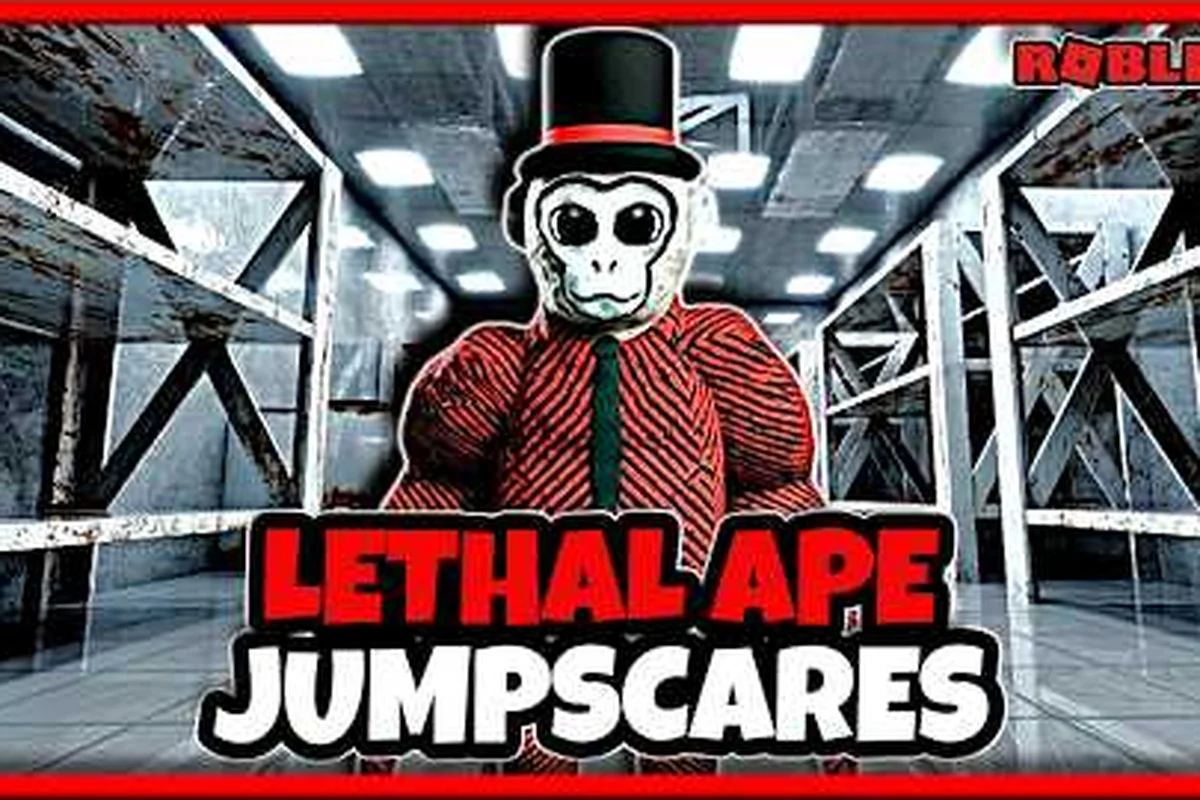
The walkthrough approach is especially helpful. Community videos like the LETHAL APE + JUMPSCARES walkthrough by Peta Perjalanan show the full sequence of chases and jumpscares without commentary, which gives a parent a fast preview of what their child will encounter.
When to Step Back and Let Them Play Solo
Most kids who enjoy the game want to play on their own within a few sessions. Once they have learned the Lethal Ape safe spots, know how to identify the audio stinger patterns, and have completed at least one successful escape, they are usually ready for solo play. The signal to let go is when they start explaining the game to you rather than asking you to explain it to them.
Forest or Caves: Which Route Is Better for Younger Players?
Once your child has gotten comfortable with the basic lab, the Forest and Caves gamemodes become the natural next step. They are not the hardest modes in the game, but they do crank up the intensity compared to the starter experience. The community has done a lot of testing on which is friendlier for newer players, and the Lethal Ape Forest or Caves tier list breaks down the full comparison.
| Route | Visual Style | Monster Variety | Chase Length | Spook Factor |
|---|---|---|---|---|
| Forest | Open, outdoor | Medium | Long but visible | Medium |
| Caves | Tight, dark | High | Short and twisty | High |
For younger players, the Forest is the friendlier of the two. The outdoor setting means chases are visible from a distance, the Lethal Ape hiding spots are spread out and easier to find, and the audio stingers are slightly less aggressive. Caves lean into tight spaces and close-quarters scares, which is the opposite of what a sensitive player wants on their second or third run.
Frequently Asked Questions
Is Lethal Ape safe for a 9-year-old?
The Lethal Ape age rating guidance from the community lands closer to 11+ with parental supervision for younger kids. A 9-year-old can play on the gentler gamemodes if a parent joins the first few sessions, but the jumpscare density and chase sequences are too intense for unsupervised play at that age. Consider Doors or Apeirophobia as gentler entry points before graduating to Lethal Ape.
What is the scariest monster in Lethal Ape?
Fearful and Horror Sandman are the most intense monsters because they combine loud audio stingers, sudden appearances, and fast chases. GLI.TCH. is a close third because of its visual distortion. Younger players should be warned about these three before queuing into Hardcore Lab or Caves mode where they appear most often.
Where are the best hiding spots in Lethal Ape?
The vent network, the locked closet rooms, and the cafeteria tables are the Lethal Ape best hiding spots for most monsters. The Gamemodes Room hub is the only fully safe zone but it ends the round. Crouching, facing away, and staying still for at least 10 seconds turns a regular hiding spot into a reliable one.
Does Lethal Ape have violence or blood?
No. There is no blood, no weapons, and no injury visuals in Lethal Ape. The horror comes from atmosphere, audio stingers, and chase sequences rather than graphic content. That is why the experience can feel intense even though the visual style is stylized and cartoon-like.
Can I turn off the jumpscares in Lethal Ape?
There is no built-in option to disable jumpscares specifically, but you can mute the game audio or play on Explore Mode where the stingers are less frequent. Watching a walkthrough first is also a good way to desensitize yourself before a live run, since you will know what is coming.